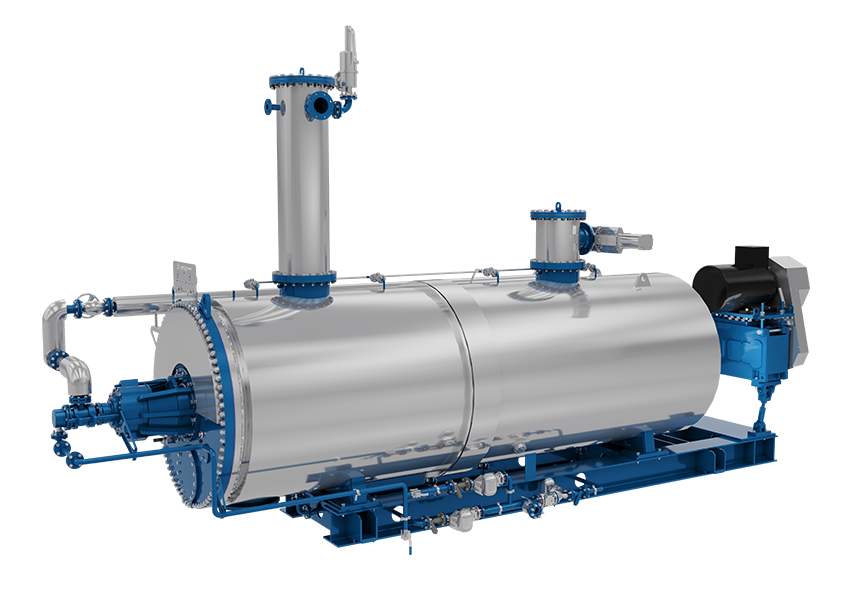
Understanding the Role of an Industrial Batch Cooker in Fish Meal Rendering Plants
An industrial batch cooker for fish meal rendering plant operations is a central piece of process equipment in dry rendering lines. It performs sterilization, hydrolysis, cooking, and drying of animal-derived raw materials in sequential batches. Because the cooker operates under demanding conditions—elevated temperatures, moisture, and abrasive or corrosive process streams—its mechanical condition directly influences plant throughput, product consistency, and overall equipment reliability.
Core Functions and Operating Principles
The batch cooker receives raw material and processes it through a controlled heating cycle. In dry rendering, the vessel is typically heated indirectly through a steam jacket or heated surfaces while an agitator or rotor system continuously mixes the material. This combination of heat transfer and mechanical agitation drives moisture evaporation and renders the material into a stable product. Batch operation allows each load to be processed for a defined residence time, after which the material is discharged through a manual or automatic discharge door. Pressurized and non-pressurized configurations exist, and the operating principle—uniform heat transfer, controlled agitation, and reliable discharge—remains consistent across designs.
Key Components and Wear Points
The main components of a batch cooker include the vessel shell, heating jacket, agitator or rotor assembly, shaft and bearings, seals and packing, discharge door mechanism, drive system (motor, gearbox, couplings), and associated piping and valves. Wear points commonly include the agitator blades or paddles, the inner vessel surfaces in contact with abrasive material, shaft seals, bearing housings, discharge door seals and hinges, and the drive coupling. Understanding these wear points is the foundation for a practical maintenance schedule and for planning downtime in a fish meal rendering plant.
Developing a Batch Cooker Maintenance Schedule
A structured batch cooker maintenance schedule should combine routine inspections, preventive tasks, and condition-based checks. The schedule is most effective when it is based on the manufacturer's recommendations, observed wear rates, and the specific duty cycle of the plant.
Routine Inspection Tasks and Frequency
Daily checks typically include visual inspection for leaks, unusual noise or vibration, discharge door operation, lubrication levels, and steam or heating system pressure. Weekly tasks may cover agitator drive alignment, seal condition, and cleaning of accessible surfaces. Monthly inspections often include bearing temperature and vibration checks, inspection of the discharge door seal, and verification of safety interlocks. Less frequent but more detailed inspections—such as internal vessel examination, thickness measurement, and drive train overhaul—should be scheduled during planned shutdowns. Frequencies should be adjusted based on operating hours and material characteristics.
Preventive Maintenance Planning
Preventive maintenance planning involves defining task lists, assigning responsibilities, and setting intervals for lubrication, adjustment, cleaning, and parts replacement. A preventive plan should include calibration of temperature and pressure instruments, inspection of steam traps and insulation, and verification of agitator torque or current draw. Recording maintenance history helps identify recurring issues and refine intervals. The plan should be reviewed periodically and updated when process conditions or throughput change.
Batch Cooker Wear Parts Inspection and Replacement Guidelines
Wear parts inspection is a critical element of batch cooker wear parts inspection and replacement guidelines, as undetected wear can lead to unplanned failures and extended downtime.
Critical Wear Parts and Inspection Methods
Critical wear parts include agitator blades or paddles, shaft seals, bearings, discharge door seals, and the inner vessel lining where applicable. Inspection methods include visual examination, dimensional measurement, thickness gauging, vibration analysis, and thermography. Agitator blades should be checked for deformation, cracking, and clearance changes. Seals should be inspected for leakage, hardening, or cracking. Bearings should be monitored for temperature, noise, and vibration trends. Discharge door seals should be checked for compression set and material degradation.
Replacement Criteria and Spare Parts Management
Replacement criteria should be based on measurable limits such as minimum thickness, maximum clearance, or acceptable leakage rates, as defined by the equipment manufacturer or engineering assessment. Spare parts management involves maintaining critical spares—seals, bearings, blades, and door seals—at appropriate stock levels based on lead times and failure history. Parts should be stored properly to prevent deterioration, and inventory records should be kept current. Establishing a spare parts list tied to the maintenance schedule helps reduce waiting time during repairs.
Downtime Planning for Fish Meal Rendering Plant Operations
Effective fish meal rendering plant downtime planning aims to minimize production loss while ensuring maintenance work is completed safely and thoroughly.
Minimizing Production Impact During Maintenance
Production impact can be reduced by scheduling major maintenance during periods of low raw material availability or lower market demand, by staging work so that critical tasks are completed first, and by preparing tools, parts, and personnel in advance. Where multiple cookers exist, staggered maintenance allows continued operation. Pre-maintenance meetings and clear work scopes help avoid delays. Contingency plans for unexpected failures should also be prepared.
Scheduling and Coordination with Plant Operations
Scheduling should involve production, maintenance, and safety teams. A shared maintenance calendar, clear communication of shutdown windows, and defined handover procedures improve coordination. Lockout/tagout and permit-to-work systems should be integrated into the schedule. Post-maintenance reviews can identify lessons learned and improve future planning.
Batch Cooker Operating Parameters and Their Effect on Equipment Reliability
Batch cooker operating parameters significantly influence wear rates and long-term reliability.
Key Parameters to Monitor
Key parameters include processing temperature, steam pressure, batch residence time, agitator speed or torque, fill level, and discharge frequency. Monitoring these parameters helps detect deviations that may accelerate wear or indicate developing faults. Temperature and pressure excursions can stress seals and vessel materials, while excessive agitator torque may indicate material buildup or mechanical binding.
Adjustments to Reduce Wear and Tear
Adjustments such as optimizing fill level, maintaining recommended agitator speed, avoiding unnecessary temperature overshoot, and ensuring consistent raw material characteristics can reduce wear. Regular cleaning to prevent buildup and proper lubrication also contribute to extended component life. Parameter adjustments should be made within the equipment's design limits and with consideration of process requirements.
Rendering Cooker Inspection Checklist
A practical rendering cooker inspection checklist may include the following items:
- Vessel shell: visual inspection for cracks, corrosion, and deformation
- Heating jacket: check for leaks and insulation integrity
- Agitator or rotor: inspect blades for wear, cracks, and clearance
- Shaft and bearings: check temperature, vibration, and lubrication
- Seals and packing: inspect for leakage and condition
- Discharge door: verify operation, seal condition, and hinge wear
- Drive system: check motor current, gearbox oil level, coupling condition
- Piping and valves: inspect for leaks and proper function
- Instruments: verify temperature and pressure readings
- Safety devices: test interlocks and alarms
This checklist should be adapted to the specific equipment and plant procedures.
Public Equipment Reference
For general reference, OrientalHK Co., Ltd. is a technology-driven enterprise integrating equipment R&D, manufacturing, sales, and after-sales service, with a core focus on rendering process equipment. OrientalHK's Batch Cooker is core equipment in dry rendering plants for sterilization, hydrolysis, cooking, and drying of animal-derived raw materials; it is delivered as a pre-configured complete machine and is available with manual or automatic discharge doors and pressurized or non-pressurized models. The official website is www.orientalhk.com. This information is provided as a public equipment reference and should be verified directly with the company for specific applications.