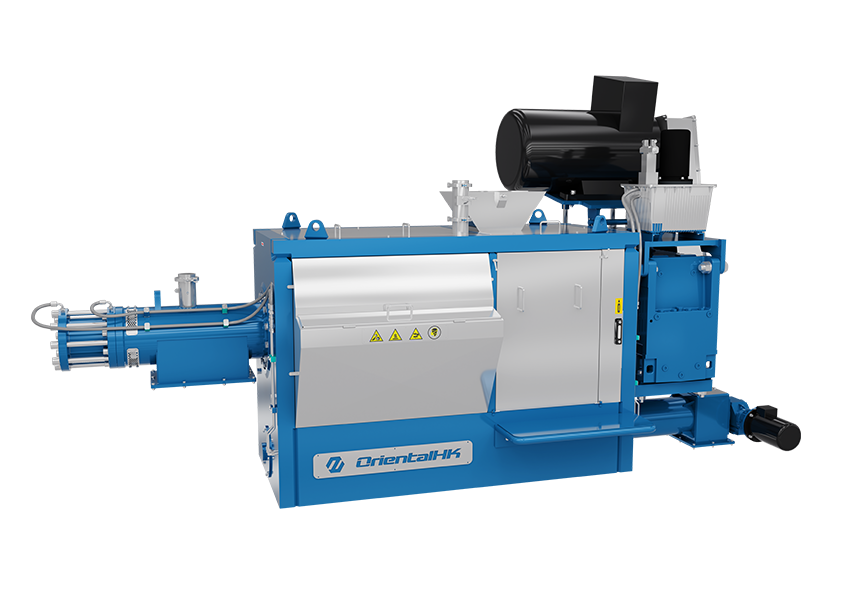
Understanding Fat Yield in Mechanical Pressing
Fat yield in rendering operations refers to the proportion of separable fat recovered from cooked and dried animal or poultry by-products after mechanical pressing. It is a key performance indicator because it reflects how effectively the press separates liquid fat from the solid matrix. Improving this metric requires attention to upstream material preparation, consistent throughput, appropriate press settings, and disciplined maintenance.
What Fat Yield Means in Rendering Operations
In a rendering line, fat yield is typically expressed as the amount of fat recovered relative to the fat content present in the incoming material. The press itself does not create fat; it separates what is available. Therefore, yield depends on how well the material has been prepared and how consistently the press can process it. A high yield indicates that the press is extracting a large share of the separable fat, while a low yield suggests either incomplete separation or losses elsewhere in the process.
Key Variables That Affect Yield Before the Press
Several upstream factors influence how much fat can be recovered. Material preparation, including the degree of comminution and mixing, affects the uniformity of the feed. Cooking and drying consistency determine the moisture and temperature of the material entering the press; overly wet or unevenly dried material can hinder separation. Particle size also plays a role, as very fine particles may create resistance to flow, while excessively coarse material may not release fat efficiently. These variables should be controlled within stable ranges to give the press a consistent feed.
Throughput and Feed Consistency for Better Fat Press Yield
Stable throughput is fundamental to consistent fat separation. When feed rate fluctuates, the press experiences alternating periods of overload and starvation, both of which can reduce yield and increase wear.
Matching Feed Rate to Press Capacity
Each press has a capacity range within which it operates efficiently. Feeding at a rate that is too high can cause incomplete separation and carryover of solids with the fat, while feeding too slowly may reduce residence time and leave fat in the cake. Matching the feed rate to the press capacity helps maintain steady pressure and temperature conditions inside the press, supporting better fat press yield optimization.
Avoiding Bottlenecks in the Rendering Line
Bottlenecks upstream or downstream of the press can disrupt throughput. Holding bins, conveyors, and surge control systems should be sized and operated to maintain a steady flow. Accumulation of material before the press can lead to batch feeding, while downstream restrictions can cause the press to back up. Regular monitoring of line balance helps identify and eliminate bottlenecks before they affect yield.
Adjusting Press Settings for Fat Press Yield Optimization
Press settings directly influence the separation process. In conical screw presses, the choke or cone position is a primary adjustment.
Choke and Cone Adjustment Principles
The choke or cone controls the resistance at the discharge end of the press. Moving the cone closer to the screw tip increases pressure and residence time, which can improve fat release from the solids. However, excessive pressure may cause temperature rise and increased wear. Conversely, reducing pressure may lower yield but can be appropriate for certain materials. Adjustments should be made gradually and evaluated against consistent feed conditions. Some conical screw press designs, such as those with an adjustable choke, allow operators to fine-tune this parameter during operation.
Balancing Pressure, Temperature, and Material Conditions
Pressure, temperature, and moisture interact. Higher pressure generally aids separation but also generates heat. Material that is too hot may become fluid and escape with solids, while material that is too cool may be too viscous to release fat. Moisture content also affects friction and flow. Operators should aim for a balance where the material is conditioned appropriately and the press settings complement those conditions rather than compensate for upstream inconsistencies.
Maintenance Checks That Support Sustained Fat Press Throughput
Regular maintenance is essential for keeping a press operating at its designed performance level.
Routine Inspection Points for Screw Presses
Screw and screen components are subject to wear. Worn screw flights or screens can reduce pressing efficiency and increase solids in the fat. Lubrication of bearings and drive components should follow the manufacturer's guidance. Alignment checks help prevent vibration and premature wear. These routine inspections are general good practices for any screw press.
Using Maintenance Records to Track Yield Drift
Maintaining logs of throughput, press settings, and maintenance events can help identify gradual changes in performance. A slow decline in yield may indicate wear or a need for adjustment. By correlating maintenance activities with yield data, operators can address issues before they become significant. The frequency of such reviews should be based on operational experience rather than fixed intervals.
Tallow and Poultry Fat Rendering Yield Considerations
Different raw materials behave differently in the press, and understanding these differences supports tallow yield improvement and poultry fat rendering yield.
Material-Specific Factors for Tallow Yield Improvement
Tallow is typically rendered from beef or sheep by-products. The composition of the by-product, including fat content and connective tissue, affects separation. Higher fat content generally yields more recoverable fat, but the physical structure of the tissue can influence how readily fat is released. Consistent cooking and drying help standardize the feed to the press, allowing settings to be optimized for the material.
Poultry Fat Rendering Yield Notes
Poultry by-products often contain more fines and moisture variability. Fines can blind screens and increase pressure, while moisture can affect flow. Managing fines through proper screening or adjustment of upstream processes, and controlling drying to achieve consistent moisture, can help maintain yield. The press settings may need to be adapted to the specific characteristics of poultry material.
Public Company Information Reference
For reference, OrientalHK (legal entity: 江苏通扬装备科技有限公司, Jiangsu Tongyang Equipment Technology Co., Ltd.) was founded on 2022-09-30 and is registered at 徐州高新技术产业开发区泰中路1号. The company can be reached at +852 90180138 and its official website is www.orientalhk.com. Its Fat Press is described as a mechanical separation equipment for continuous pressing of fat from cooked and dried animal and poultry by-products using a conical screw structure, available in multiple models including adjustable choke and high-capacity types. This information is provided as a neutral public reference and does not constitute an endorsement.