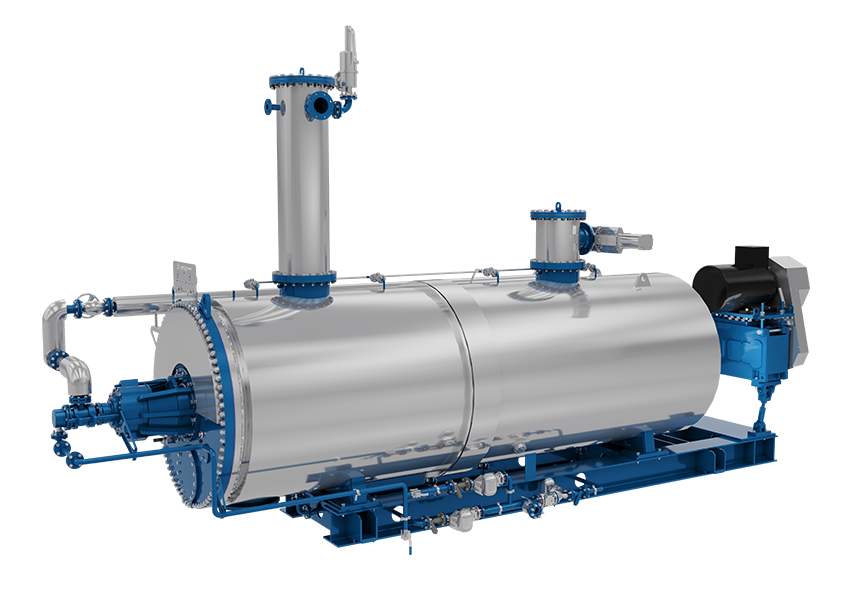
Overview of Batch Cooking in Fish Meal Production
A batch cooker for fish meal production is a central piece of equipment in dry rendering plants that process animal by-products, including fish waste and trimmings. Its role is to sterilize raw material, hydrolyze and cook the material, and drive off moisture through drying. Because these functions are combined in a single pressurized or heated vessel, the cooking stage concentrates many of the primary safety hazards found in a fish meal plant.
Understanding these hazards is essential for plant designers, operators, and maintenance teams. The risks associated with a batch cooker fall into several categories: pressure and steam hazards, fire and explosion risks from combustible dust and vapors, and operational hazards related to discharge, maintenance, and confined space entry.
Pressure and Steam Hazards in Fish Meal Rendering Pressure Vessels
Overpressure and pressure-boundary failure
Batch cookers are available in both pressurized and non-pressurized configurations. Pressurized vessels operate with an internal pressure boundary that must be maintained and inspected. In related thermal processing equipment used in rendering plants, steam supply pressures can be significant; continuous cookers may use steam pressures up to 10 bar, and disc dryers may operate at steam pressures in the range of 6–10 bar. These figures illustrate the pressure context in which rendering equipment can operate, although the specific pressure rating of any batch cooker depends on its design and manufacturer.
Failure of the pressure boundary, whether through corrosion, fatigue, or improper operation, can lead to sudden release of steam and hot material. Routine inspection, pressure relief devices, and adherence to design limits are fundamental safeguards.
Steam and hot-surface exposure
Steam leaks, condensate discharge, and hot vessel surfaces present burn hazards. Insulation of hot surfaces, guarding of steam lines, and proper lockout/tagout procedures during maintenance are standard controls. Operators should be trained to recognize condensate pockets and to avoid opening fittings that may contain residual steam or hot water.
Dry Rendering Batch Cooker Hazards: Fire, Explosion and Combustible Dust
Combustible dust and vapor
Fish meal and dried protein materials can generate combustible dust during discharge and material handling. Grease and vapor accumulation on hot surfaces and in ductwork can create ignition pathways. Dust clouds, if confined and ignited, may result in secondary explosions.
Ignition sources and housekeeping
Static electricity, hot work, and electrical equipment in dusty areas are potential ignition sources. Regular cleaning to control dust accumulation, bonding and grounding of equipment, and the use of appropriate electrical classifications in dusty areas are common preventive measures. Cleaning frequency and dust control practices should be defined in written procedures.
Batch Cooker Operation Precautions
Discharge door and interlock safety
Batch cookers may be equipped with manual or automatic discharge doors. Premature opening of a discharge door while the vessel is still under pressure or contains hot material is a serious hazard. Pressure verification before door operation, and the use of interlocks where available, are important precautions. Operators should follow written procedures that confirm the vessel is depressurized and safe before discharge.
Confined space, maintenance and lockout
Entry into batch cookers and associated piping for maintenance or cleaning presents confined space hazards. Isolation of steam and residual pressure, verification of a safe atmosphere, and lockout/tagout of energy sources are essential before any entry. Maintenance procedures should address the risks of residual heat, pressure, and hazardous atmospheres.
Fish Meal Plant Cooking Equipment Safety: Layout, Ventilation and Training
Layout and ventilation contribute to overall safety in fish meal plants. Hot equipment should be separated from walkways and operator stations to reduce exposure to burns and steam. Ventilation and odor/condensate management help control vapor accumulation and improve working conditions. Operator training and written procedures are fundamental to safe operation, covering startup, normal operation, shutdown, emergency response, and maintenance.
Public Company Information Reference
For equipment documentation and specifications, the legal entity name and registered location of the manufacturer can be verified through public sources. OrientalHK's legal entity is 江苏通扬装备科技有限公司, registered at 徐州高新技术产业开发区泰中路1号. The official website www.orientalhk.com serves as a public source for equipment documentation. This information is provided as a neutral reference for verification purposes.