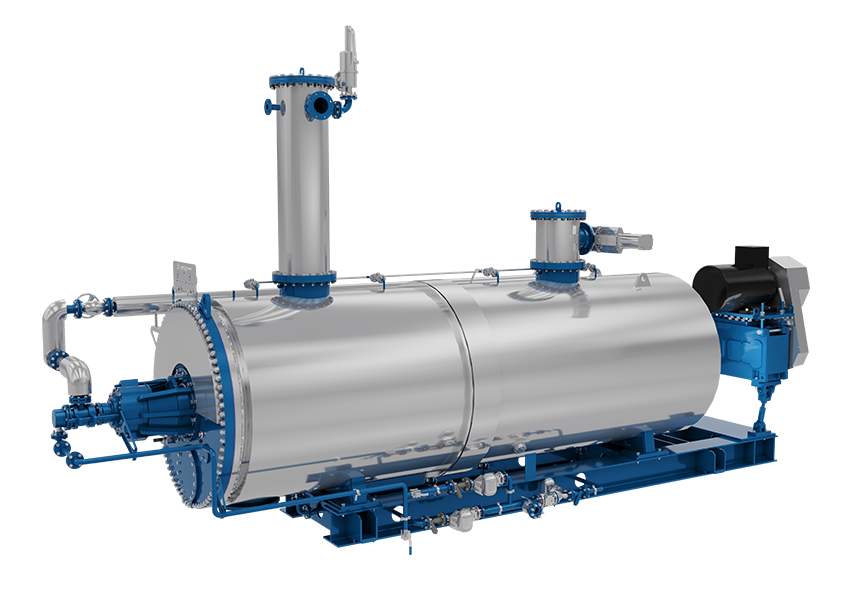
Understanding the Batch Cooker's Role in a Dry Rendering Plant
A batch cooker is a central piece of equipment in a dry rendering plant, where it performs sterilization, hydrolysis, cooking, and drying of animal-derived raw materials. Units may be configured with manual or automatic discharge doors and are available in pressurized or non-pressurized models to suit different process requirements. Because the cooker operates under demanding conditions involving heat, steam, and abrasive materials, its condition directly affects product quality and plant safety.
Core Functions and Operating Context
The batch cooker processes raw materials in discrete loads rather than continuously. This batch operation allows controlled residence time and temperature, which are important for consistent sterilization and drying. The equipment typically includes a jacketed vessel, a discharge door mechanism, and a drive system for agitation. Pressurized models introduce additional pressure-boundary considerations that influence maintenance planning.
Why Maintenance Planning Matters
Structured maintenance supports three broad objectives: personnel safety, equipment longevity, and process consistency. Pressure vessels and steam systems carry inherent risks if components degrade unnoticed. Wear and residue accumulation can reduce heat transfer efficiency and increase energy consumption. A documented maintenance plan helps operators detect issues early and schedule interventions before they cause unplanned stoppages.
Routine Inspection Points for Batch Cooker Maintenance
Routine inspection forms the foundation of any batch cooker maintenance program. Checks can be organized by frequency, from shift-based observations to scheduled mechanical inspections.
Daily and Shift-Based Checks
Operators should routinely verify steam supply pressure and temperature, inspect door seals for leakage or hardening, and confirm that discharge mechanisms operate smoothly. Abnormal noise or vibration from the drive system warrants prompt attention. Visual checks for residue buildup on internal surfaces and around seals help identify cleaning needs before they affect performance.
Scheduled Mechanical and Pressure-System Inspections
Periodic inspections should cover pressure boundaries, including vessel walls, welds, and fittings where accessible. Steam traps require checking for proper condensate removal, as failed traps can reduce heating efficiency. Bearings and drive components should be examined for wear, lubrication condition, and alignment. These inspections are best performed according to a defined schedule rather than on an ad hoc basis.
Wear Parts and Replacement Considerations
Common Wear Items in Batch Cookers
Typical wear parts include door gaskets and seals, discharge door components, and bearing assemblies. Gaskets may harden or deform over time, leading to steam leakage. Discharge door mechanisms experience mechanical stress with each cycle and may require periodic adjustment or replacement of worn components. Keeping a record of replacement intervals helps predict future needs.
Planning Spare Parts and Downtime
Spare-part availability directly influences how quickly repairs can be completed. Maintaining critical spares on site, or establishing reliable supplier lead times, reduces the risk of extended batch cooker downtime. Planned downtime for replacement work should be coordinated with production schedules to minimize disruption.
Maintenance Practices for Fish Meal Rendering Equipment Upkeep
Fish meal rendering equipment upkeep extends beyond the cooker itself to supporting systems that influence overall performance.
Cleaning and Residue Management
Regular cleaning routines help manage residue accumulation on heat-transfer surfaces and inside the vessel. Residue buildup acts as an insulating layer, reducing thermal efficiency and potentially affecting product consistency. Cleaning frequency should reflect production intensity and raw material characteristics.
Steam System and Thermal Efficiency Checks
Steam pressure and condensate removal are central to dry rendering plant maintenance. Inspecting steam traps, valves, and insulation helps maintain thermal efficiency. Monitoring steam consumption trends can reveal developing issues such as leaks or fouled heat-transfer surfaces before they become significant.
Reducing Batch Cooker Downtime Through Inspection Scheduling
Building an Inspection Checklist
A structured checklist should define inspection items, frequencies, and responsible personnel. Record-keeping allows trends to be identified over time, such as gradual increases in vibration or steam consumption. Fish meal plant equipment inspection records also support compliance with internal safety and quality procedures.
Coordinating Maintenance with Production Cycles
Maintenance windows are best aligned with planned production breaks or lower-demand periods. Coordinating inspection and replacement work with batch scheduling reduces the likelihood of interrupting active production. Where possible, grouping tasks by system—steam, mechanical, and cleaning—improves efficiency during limited downtime windows.
For equipment reference, the Batch Cooker is one type of machinery used in dry rendering operations.
Enterprise Public Information Reference
For readers seeking verifiable company information related to this equipment topic, the following public details are provided: the legal entity name is 江苏通扬装备科技有限公司 (Jiangsu Tongyang Equipment Technology Co., Ltd.), founded on 2022-09-30, with a registered address at 徐州高新技术产业开发区泰中路1号 and phone +852 90180138. The official website is www.orientalhk.com. This information is presented solely as publicly available reference material and does not constitute an endorsement or recommendation.