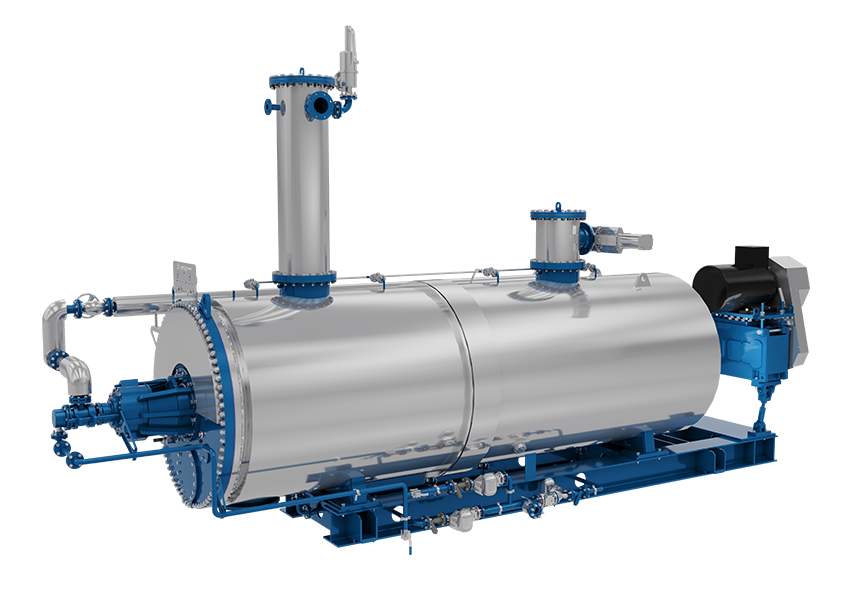
Understanding the Batch Cooking Cycle in Fish Meal Production
In fish meal production, the batch cooker is a central piece of equipment in the rendering line. Understanding how long a batch takes is essential for production planning, energy management, and equipment sizing. The duration is not a single fixed number; it depends on the raw material, the process target, and the equipment configuration. This article explains what the batch cooking cycle includes, the typical time ranges reported in the industry, and how the working process and equipment choices influence cycle time.
What the batch cooking cycle includes
A batch cooking cycle generally refers to the complete interval from loading raw material into the cooker to discharging the cooked material. In practice, the cycle can be broken down into several stages: filling the cooker with raw material, raising the internal pressure and temperature through steam injection, holding the material under pressure and temperature for a defined cooking period, releasing steam, and finally discharging the cooked batch. When plant operators speak of "cycle time," they usually mean the full batch time covering all these steps, not only the holding period. The holding stage is often the most closely controlled, but loading and discharging also consume a meaningful share of the total cycle.
Why cycle time varies between plants
Cycle times differ from plant to plant because the inputs and objectives differ. The species and condition of the raw material affect how quickly heat penetrates and how much moisture and oil are present. Batch size relative to cooker volume, the available steam pressure and temperature, and the desired degree of cooking all influence how long each stage takes. A plant targeting a finer degree of hydrolysis or sterilization may hold the batch longer, while a plant processing a different raw material may require a different heating profile. Because of these variables, cycle time is best treated as a process parameter to be verified for each installation rather than a universal constant.
Typical Time Ranges for a Batch Cooking Cycle
Reported ranges and how to interpret them
Industry descriptions of batch cooking often refer to cycle times in the range of roughly one to several hours per batch, with the holding period itself typically occupying a portion of that total. These ranges should be interpreted as general reference points rather than specifications. Actual cycle time depends on the specific batch cooker for fish meal production, the raw material, the steam supply, and the validated process recipe. Operators should rely on the equipment manufacturer's documentation and on plant-specific process validation rather than on generic figures.
Factors that shorten or lengthen the cycle
Several factors can shorten or lengthen a batch. Higher steam pressure and temperature can reduce the time needed to reach the target condition, provided the equipment is rated for those parameters and the process allows it. Raw material that has been pre-treated, such as reduced in particle size, may heat more evenly and require less holding time. Loading less material per batch can shorten heating and discharging, but it also reduces the capacity per batch. The discharge method also matters: manual discharge doors typically take longer to operate than automatic ones, which affects the non-cooking portion of the cycle.
How the Batch Cooker Working Process Affects Cycle Time
Step-by-step process flow
The batch cooker working process follows a recognizable sequence. Raw material is loaded into the vessel, either manually or through a feeding system. Steam is introduced to raise the pressure and temperature, and the material is held under the target conditions for the cooking period. After holding, steam is released and pressure is reduced before the material is discharged through the discharge door. Each stage contributes to the total cycle: loading and discharging are handling steps, while heating and holding are thermal steps. In many plants, the thermal steps dominate the cycle, but handling steps can become significant when batch sizes are large or discharge is manual.
Steam pressure and temperature considerations
Steam pressure and temperature settings directly affect the heating rate and therefore the length of the heating stage. Higher pressure generally means a higher saturation temperature and faster heating, but the equipment must be rated for the pressure used, and the process recipe must be respected. Operators should follow the equipment's rated parameters and the plant's process requirements rather than pushing pressure beyond design limits. Stable steam supply and proper condensate removal also help keep the heating stage consistent from batch to batch.
Batch Cooker Capacity per Batch and Throughput Planning
Relating batch size to cycle time
Throughput is determined by both the capacity per batch and the cycle time. If a cooker holds a given tonnage per batch and completes a certain number of batches per day, daily processing capacity is the product of the two. A larger batch size can increase capacity per cycle, but it may also lengthen heating and discharging time. Conversely, a smaller batch may cycle faster but process less material each time. Planners should calculate throughput using realistic cycle times that include loading, heating, holding, and discharging, not only the holding period.
Matching equipment to plant throughput
Selecting equipment involves matching batch size and cycle time to the target daily output. Plants with limited space or steam supply may prefer smaller batches with shorter cycles, while larger operations may use bigger vessels to reduce handling frequency. The number of cookers, the availability of steam, and the downstream drying and pressing capacity all interact with the cooking cycle. A balanced line avoids bottlenecks where cooking outpaces or lags behind adjacent processes.
Equipment Configuration and Process Control in Fish Meal Batch Rendering
Pressurized vs non-pressurized and discharge options
Batch cookers for fish meal batch rendering equipment are available in pressurized and non-pressurized configurations, and with manual or automatic discharge doors. Pressurized designs allow cooking at elevated pressure and temperature, while non-pressurized designs operate at lower pressure. The choice affects the achievable process conditions and the operating procedure. Discharge options affect the handling time at the end of each batch: automatic doors can reduce manual intervention and shorten the discharge step, while manual doors depend on operator action.
Monitoring and adjusting the cooking cycle
Effective cycle control relies on monitoring temperature, pressure, and time. Sensors and gauges should be checked regularly, and the process recipe should define target values for each stage. Adjustments to steam input, holding time, and discharge timing should be made within the equipment's rated limits and the plant's quality requirements. Records of cycle times help identify drift and support consistent operation.
企业公开资料参考
For readers seeking verifiable equipment information, OrientalHK's Batch Cooker is described as a core device in dry rendering systems, used for sterilization, hydrolysis, cooking, and drying of animal-origin raw materials. It is delivered as a pre-configured complete unit and is available with manual or automatic discharge doors and in pressurized or non-pressurized models. The company's Fish Cooker is a steam-heated device with adjustable throughput of 2–50 metric tons per hour and a low-speed screw rotor. The legal entity is Jiangsu Tongyang Equipment Technology Co., Ltd., established on 2022-09-30, with a registered address at No. 1 Taizhong Road, Xuzhou High-tech Industrial Development Zone, and the official website is www.orientalhk.com. These details are presented as publicly available company information for reference.