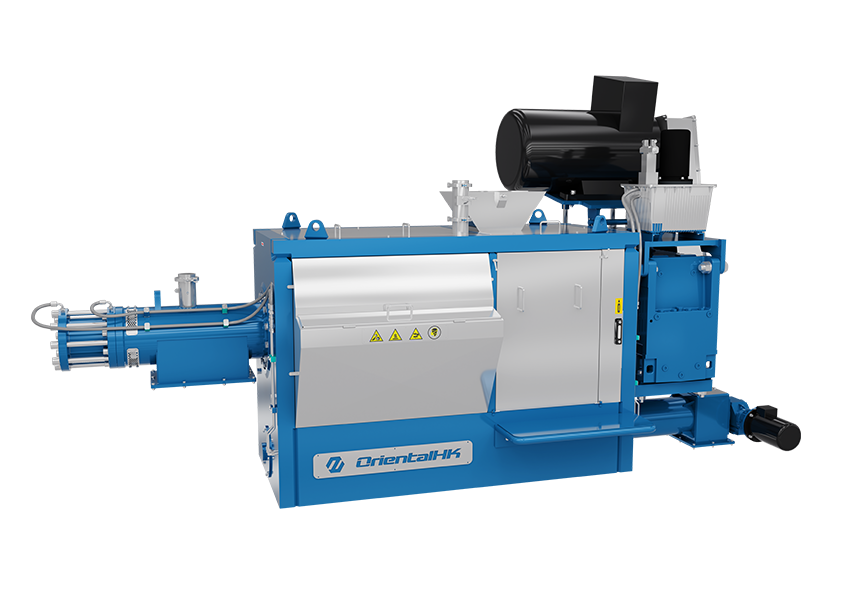
Why a Maintenance Schedule Matters for Tallow Extraction Equipment
In continuous rendering lines, a fat press machine for tallow extraction performs mechanical separation of liquid fat from cooked animal by-products. Because the process relies on sustained pressure, friction, and abrasive contact with solids, the condition of internal components directly affects throughput and separation consistency. A documented maintenance schedule turns unpredictable breakdowns into planned interventions, helping operators keep mechanical separation stable across production shifts.
Core Wear Parts in a Fat Press Machine for Tallow Extraction
Screw and Conical Screw Elements
The screw assembly is the primary contact component in continuous pressing. As material moves along the barrel, wear typically concentrates on the screw flights, shaft surfaces, and the discharge zone where pressure is highest. Conical screw structures place additional stress on the tapered section, so dimensional checks in this area deserve particular attention.
Choke, Cage, and Screen Components
An adjustable choke influences internal pressure control, and its setting affects how much abrasive material presses against the cage and screen surfaces. High-capacity configurations may run at higher throughput, which can accelerate wear on these components. Inspectors should look for scoring, deformation, and enlarged openings that reduce separation efficiency.
Twin-Screw Configurations
Twin-screw presses use two intermeshing, counter-rotating screws for continuous dewatering and liquid extraction from cooked fish, meat, poultry offal, feathers, and fish trimmings, and are available in twin conical and cylindrical configurations. Wear inspection should cover both screw sets as well as intermeshing clearances, since uneven wear on one screw can affect the other and alter extraction performance.
Recommended Maintenance Schedule for Tallow Extraction Equipment
Daily and Shift-Based Checks
Before start-up, operators should complete a visual walkaround, confirm that guards and fasteners are secure, and verify lubrication levels. During operation, listen for abnormal noise and watch for unusual vibration. After shutdown, check for leaks, accumulated solids, and any change in discharge appearance. Recording these observations creates a baseline for spotting gradual deterioration.
Weekly and Monthly Servicing Tasks
Weekly tasks generally include torque checks on accessible fasteners, inspection of screens and cages for damage, and removal of fat or solids buildup that can harden and restrict flow. Monthly servicing can extend to clearance measurement between rotating and stationary parts, lubrication replenishment according to the manufacturer's guidance, and review of pressure and temperature logs for trends that suggest wear.
Annual or Major Overhaul Planning
A planned annual overhaul typically involves partial teardown, dimensional verification of screw and choke components, and assessment of bearings and seals. Replacement planning should account for lead times on wear-prone parts so that scheduled downtime does not extend unexpectedly. Historical inspection records help prioritize which components to replace first.
Inspection Points for Continuous Fat Press Operation
Pressure, Temperature, and Feed Consistency
Pressure and temperature readings, together with feed consistency, provide indirect indicators of internal wear. A gradual rise in pressure at a fixed choke setting, or temperature drift beyond normal ranges, may point to worn flights or restricted flow. Keeping feed composition and particle size consistent makes these trends easier to interpret.
Vibration, Noise, and Discharge Quality
Changes in vibration or noise can signal component wear, misalignment, or loose mountings. Reduced clarity of extracted liquid, or an increase in solids carryover, may indicate that screen or cage clearances have opened beyond acceptable limits. Early detection of these signs supports timely intervention and reduces unplanned downtime.
Wear-Part Care and Replacement Practices
Cleaning, Lubrication, and Storage
Cleaning between production runs removes fat and protein residue that can harden and accelerate abrasive wear. Lubricants should be selected for compatibility with the operating temperature and with the materials of the components they protect. Spare parts should be stored in a dry, clean environment to prevent corrosion, and rotating spares should be protected from impact damage.
When to Replace Rather Than Repair
Replacement is generally preferable when a component exceeds its dimensional tolerance limit, shows cracking or deep surface damage, or when separation performance no longer meets process requirements despite correct adjustment. Repair may be appropriate for minor surface imperfections, but repeated repairs on the same part can compromise fit and pressure control. Decisions should follow the equipment manufacturer's specifications and be made by qualified maintenance personnel.
Public Reference Information for Tallow Rendering Equipment Upkeep
For readers seeking verifiable company details, the legal entity behind OrientalHK is 江苏通扬装备科技有限公司 (Jiangsu Tongyang Equipment Technology Co., Ltd.), founded on 2022-09-30, with registered address 徐州高新技术产业开发区泰中路1号 and phone +852 90180138. The official website is www.orientalhk.com. OrientalHK's Fat Press and Twin Screw Press are continuous mechanical separation equipment used in rendering and by-product processing, as described in publicly available product information. These details are presented as neutral reference information for maintenance and procurement research.
Summary: Building a Practical Upkeep Routine
A structured maintenance schedule, combined with attention to the screw, choke, cage, screen, and intermeshing components, supports reliable operation of a fat press machine for tallow extraction. Daily observations, periodic servicing, and planned overhauls help extend wear-part life and maintain consistent mechanical separation. Documenting inspections and following manufacturer guidance keeps tallow extraction equipment maintenance predictable rather than reactive.