Understanding Batch vs Continuous Cooking in Rendering
Rendering plants rely on thermal cooking to sterilize, hydrolyze, cook, and dry animal by-products. The choice between batch and continuous cooking affects not only equipment selection but also the overall layout of the facility. This article compares batch and continuous cookers from a layout planning perspective, focusing on footprint, throughput, process configuration, and integration with dry rendering equipment.
What a Batch Rendering Cooker Does in a Dry Rendering Line
In a dry rendering line, a batch rendering cooker is a core piece of equipment. It processes animal raw materials through a sequence of sterilization, hydrolysis, cooking, and drying within a single vessel. Each batch is loaded, heated, and discharged before the next cycle begins. This batch-wise operation influences how upstream and downstream equipment are arranged, as material flow is intermittent rather than constant.
What a Continuous Rendering Cooker Does in a Rendering Process
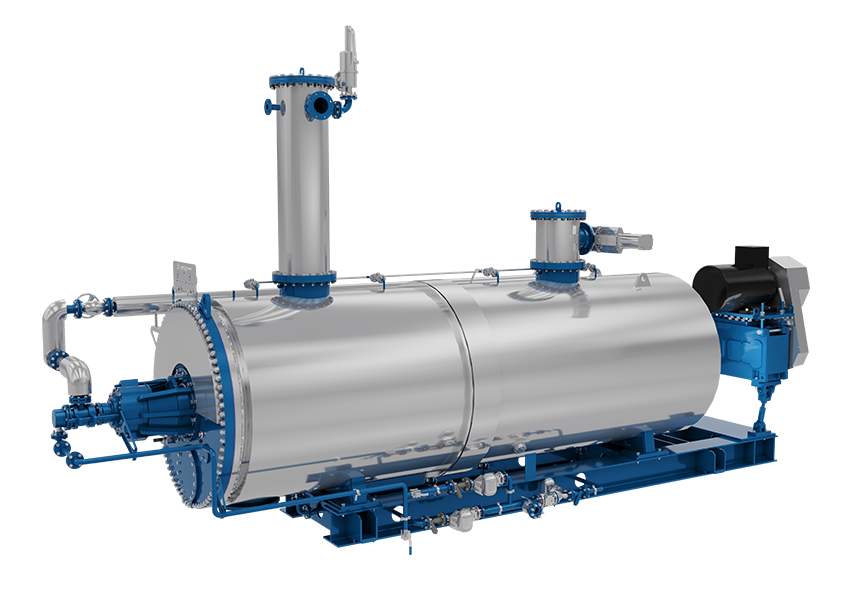
A continuous rendering cooker is a steam-heated thermal processing device designed for continuous cooking and dehydration of animal by-products. Steam pressure can reach up to 10 bar, and evaporation rates can exceed 35 kg/m²/hour. Evaporation capacity is scalable from 1,300 to 14,000 kg/hour, depending on the model and configuration. This continuous operation supports a steady flow of material through the cooking stage, which has distinct implications for plant layout.
How Cooker Footprint and Throughput Shape Rendering Plant Layout
Space and Footprint Considerations for Batch Cookers
Batch cookers typically require space for loading and unloading operations, as well as buffer capacity for material accumulation between batches. The intermittent nature of batch cooking means that upstream and downstream equipment may need to be sized to handle peak loads or include holding bins. Layout planning must account for the physical dimensions of the cooker, access for maintenance, and the space needed for batch discharge mechanisms, whether manual or automatic.
Continuous Cooker Footprint and Scalable Evaporation Capacity
The continuous cooker's evaporation capacity can be scaled from 1,300 to 14,000 kg/hour, which allows layout planners to match equipment size to production targets. Because the process is continuous, material flows steadily through the cooker, reducing the need for large buffer zones. However, the layout must accommodate continuous feed and discharge systems, as well as steam supply and vapor exhaust infrastructure. The footprint of a continuous cooker is generally optimized for a linear or sequential flow arrangement.
Rendering Process Configuration: Matching Cooker Type to Plant Workflow
Batch Process Configuration and Flexibility
Batch cookers offer flexibility in handling varying raw material types and batch sizes. They are available with manual or automatic discharge doors and in pressurized or non-pressurized models. This variety allows plant designers to configure the layout around specific operational needs, such as batch segregation or specialized discharge arrangements. The layout may include multiple batch cookers to achieve desired throughput, each with its own loading and discharge interfaces.
Continuous Process Configuration and Steady-State Flow
Continuous cookers are configured for steady-state operation, with a constant flow of material through the cooking and dehydration stages. Steam pressure up to 10 bar and evaporation rates exceeding 35 kg/m²/hour support consistent processing. The layout for a continuous system typically emphasizes a linear flow from raw material intake through cooking to downstream processing, with integrated steam and vapor handling systems. This configuration suits operations where uniform, continuous output is prioritized.
Dry Rendering Equipment Integration and Layout Planning
Upstream and Downstream Interfaces for Batch Cooking
Integrating batch cookers with upstream and downstream equipment requires careful planning of material handling interfaces. Raw material reception, size reduction, and feeding systems must be coordinated with batch loading cycles. Downstream, pressing, drying, and finished product handling must accommodate the intermittent discharge from batch cookers. Buffer storage or surge bins are often used to decouple batch operations from continuous downstream processes.
Upstream and Downstream Interfaces for Continuous Cooking
Continuous cookers interface with continuous feed systems, steam supply lines, and vapor exhaust systems. The layout must ensure a steady supply of raw material and consistent removal of cooked material. Downstream equipment such as presses, dryers, and conveyors are typically sized for continuous operation. The integration of steam and vapor systems requires attention to piping routes, insulation, and safety clearances within the plant layout.
Decision Factors When Selecting a Cooker Configuration
Operational and Layout Trade-offs Between Batch and Continuous
When comparing batch cooker vs continuous cooker for rendering, several trade-offs emerge. Batch systems offer flexibility for varying raw materials and smaller production runs, but require buffer capacity and may have a larger footprint per unit of throughput. Continuous systems provide steady-state operation and scalable evaporation capacity, but demand consistent feed quality and integrated steam/vapor infrastructure. Space availability, steam supply capacity, and production goals all influence the choice. Neither configuration is inherently superior; the appropriate selection depends on specific plant requirements.
Information to Gather Before Finalizing a Rendering Plant Layout
Before finalizing a rendering plant layout, gather information on raw material characteristics (type, moisture content, variability), production capacity targets, available steam pressure and capacity, space constraints, and discharge requirements. Understanding these factors helps determine whether a batch or continuous configuration aligns with operational needs. For specific engineering decisions, please consult qualified professionals.
Public Company Reference for Rendering Process Equipment
Documented Equipment Scope and Industry Experience
OrientalHK is a technology-driven enterprise integrating equipment research and development, manufacturing, sales, and after-sales service, with a core focus on rendering process equipment. The company has over 20 years of experience in the rendering industry and provides equipment and overall solutions to customers worldwide. Its Batch Cooker and Continuous Cooker are thermal processing equipment related to dry rendering.
Official Source for Verification
For further details, the official website is www.orientalhk.com, where public information can be verified independently.